September 2009 is the date we have, broadly, accepted as an important point in the MMO genre history because it’s when Dungeons & Dragons Online switched to a free-to-play model. It is a pretty significant point in MMORPG history. It became clear that free-to-play was an actual viable destination for games developed with a significant budget and team behind them, that it not only maintained but improved player counts, that it was a viable option moving forward… it was important.
But the one thing you can’t say is that it was the point when free-to-play came to online games.
See, I’m sure you knew this, but games without subscription fees were not a new concept when that particular business model transition happened. And there are some pretty significant titles that already ran around without a subscription fee well before this particular shift happened in mainstream MMOs and changed everything. So let’s take a look back at the landscape before September 2009 and the games that were already sailing those waters, some of which are still in active development today – and many of which still have ongoing influences.

1. RuneScape
Have I been mean toRuneScape this week? I don’t think so. Make up something mean and pretend I said it because the reality is that it’s hard not to be aware that this game even back in 2009 was making money and keeping itself going with a free-to-play model and an optional sub, despite looking and playing like RuneScape. I have to imagine that this was on the minds of theDDO developers. “If they can keepthat game running, surely we can offer a competing product!” someone said, disregarding that you get a freeRuneScape promo code in the UK any time you get a sausage roll or put beans on your toast. Wait, was that mean? I’ve lost track.

2. MapleStory
The first time I ever playedMapleStory, the interface and user experience seemed incredibly cheap and I just couldn’t get into it. However, the game went on to make four quintsplillion dollars every five minutes, so clearly I was in the minority there. And that was important. There was an idea around the time whenDDO swapped over that free-to-play games were inherently low-rent ventures, but the fact that there were two big titles that came out of the gate and made big money with dedicated playerbases wasimportant.

3. Guild Wars
“Hey, that’s not free-to-play!” I didn’t say free-to-play. I said subscription-free. See, I tricked y’all. And let’s be real here, this was an important element to what made Guild Wars a big deal when it first came out. There was a space for these kinds of business models and you can, in fact, make a big game keep running on that basis. You might think that this is largely irrelevant, but I think it’s important to keep in mind that when DDO switched over in 2009, there was a very, very different basic assumption about what successful business models looked like.
4. Phantasy Star Online
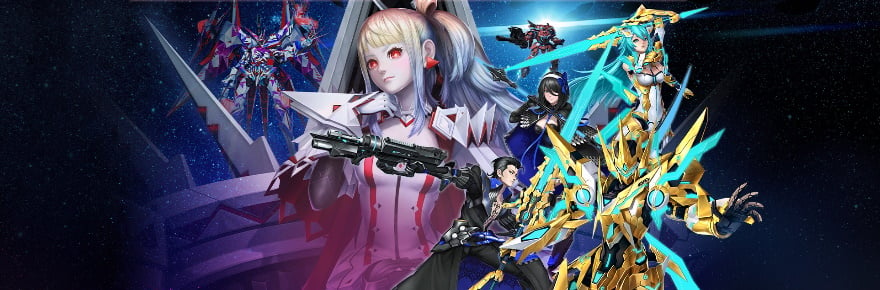
The originalPhantasy Star Online is a bit of a curious situation here because its business model pinged around a bunch depending on region as well as platform, but I cite it here because it does still qualify. It’s weird how disjointed it is. Maybe that’s why its sequel still feels like Sega was never really prepared for what it meant to host an MMORPG. Sorry, I guess I’m still bitter about what a mess it was to get the game to even launch on my computer. Let’s move on.

5. Entropia Universe
So I tease games likeRuneScape a lot, and I don’tlike that game, but it’s a cordial sort of setup. I feel less cordial towardEntropia Universe, about which the nicest thing I can say is that it never technically embraced cryptocurrency mostly because it already had its own play-to-earn gambling operation operating before anyone needed to roll out the blockchain, and thus it would have been counterproductive. Still, it’s important to keep in mind that the game was around and functional before the industry changeover happened, and that has to have an influence on other projects.
6. Wizard101
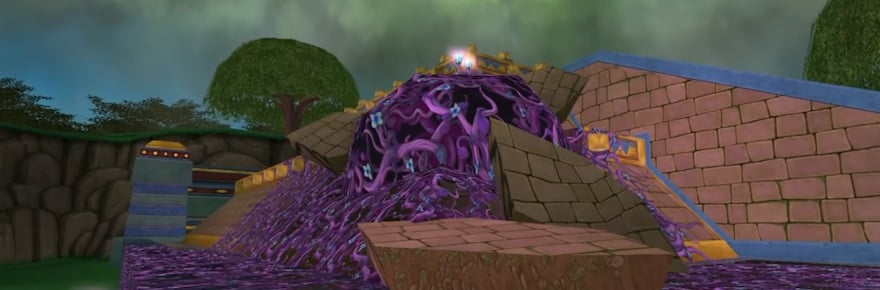
So here’s something that’s kind of incidental but I think is important to note right here:DDO, when it went free-to-play, actually had a much more ornate business model at first than what it settled on over time, and it’s here that I thinkWizard101 may have played a role despite not releasing that long before the changeover. See, while Wiz101 has a long habit of giving you a lot for a little, it is also a game that was very much experimenting with what you could do with a free-to-play model and how you could segment things in a way that felt fair but also encouraged families to drop a couple of bucks. I cannot imagine that this did not weigh on the minds of the DDO team. Like, you don’t want to give awayeverything, but you want to give away just enough to feel generous, right?
7. Free Realms
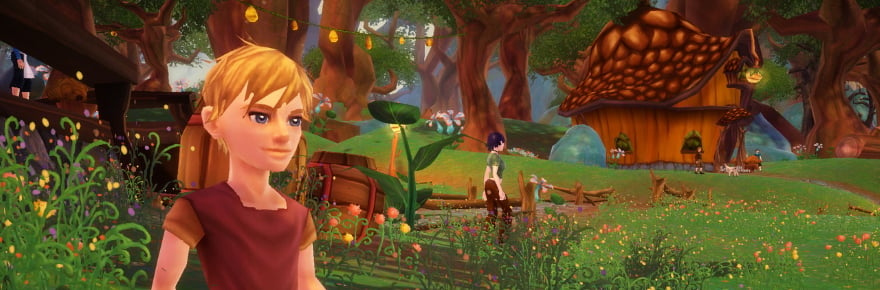
Speaking of big experiments, this game has kind of fallen to the wayside now because a lot of games have come out subsequently. But itwas a big experiment at the time to have a big MMORPG studio backing a free-to-play game and experimenting with how to monetize the game successfully. If anything, this one had some issues in the long run, but I remember at the time it was seen as a really bold experiment with a ton of potential.
8. RF Online
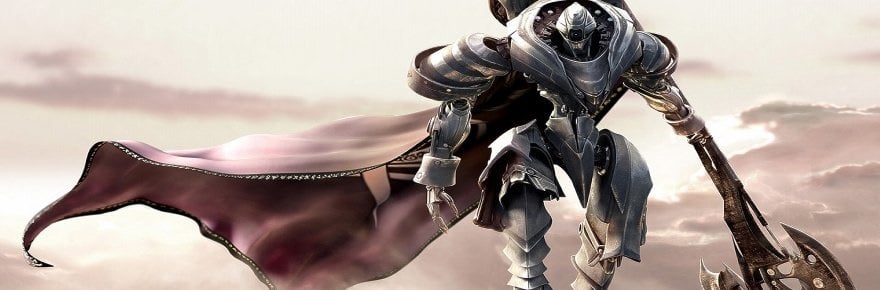
All right, you got me, this is not actually an entry for a game I’ve never played (and there are big robots, fam, so you know I’ve been tempted). More specifically, it’s a representative for a whole bunch of import MMORPGs in this vein and the general optics of how people saw free-to-play games in 2009. There was a strong sense that these kinds of games were of a different substance to other MMOs – inherently lower-rent titles that needed to be free because otherwise no one would ever give the game the time of day. Now, you can argue that this was never a real risk for DDO, and I agree with you, but the thing is that perceived cheapness of product is a real and going concern. You had to be thinking about “how do we change our business model without changing the perception of what we’re worth?”
9. Second Life
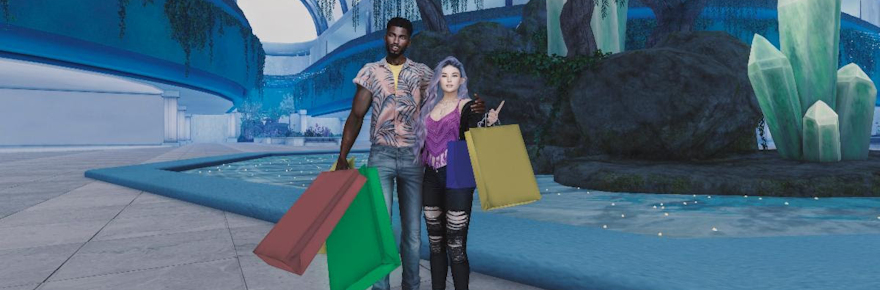
I’m sure that there are people among theSecond Life community who will angrily insist that it isn’t agame; it’s a dead-eyed virtual simulacrum of people who are doing something else other than playing a video game which will make sense eventually. But that is not the point. Second Life is a game that showed just how much impact and reach you could have with a free-to-play sandbox. A lot of people will try things out if at least the entry point is free, even if the actual experience is… well, entirely reliant on how long virtual dancing holds your attention.
10. Runes of Magic
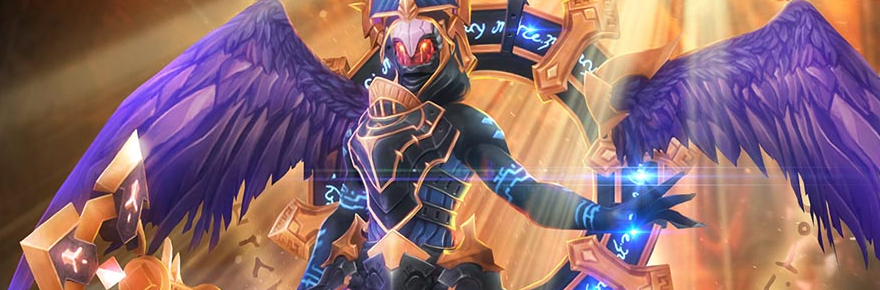
Time has not been kind toRunes of Magic. No, that’s not altogether fair; I feel likeDDO actually kind of personally dealt a serious blow toRunes of Magic because it was pretty important when it came out because it reinforced the idea that you could have an MMORPG that felt like a normal retail project and not a lower-rent venture while still being free-to-play. But that also has an influence. You have to be thinking that if your normal retail project is at the point where you do something wacky and it has a fifty-fifty shot of being shut down anyway… I mean, might as well roll the dice, right? See what happens?
And the rest is history.
 Everyone likes a good list, and we are no different! Perfect Ten takes an MMO topic and divvies it up into 10 delicious, entertaining, and often informative segments for your snacking pleasure. Got a good idea for a list? Email us at justin@massivelyop.com or eliot@massivelyop.com with the subject line “Perfect Ten.”