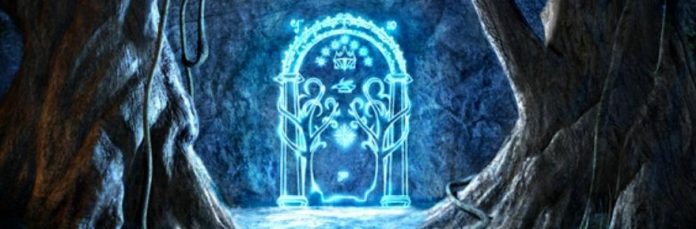
When Turbine came out with its first expansion for Lord of the Rings Online in November 2008, it came out swinging for the fences. Mines of Moria was no piddly content pack; it was designed to be a premium addition to the game that focused on one of the most iconic regions of the books and films. This was Turbine at its peak of staff and funding, flush from its success of LOTRO’s launch the year prior.
Today, we’re going to continue our series trekking through each of Lord of the Rings Online’s expansions. It’s time to breach the Khazad-dûm and head deep underground — for all of the good and the bad that it brought.
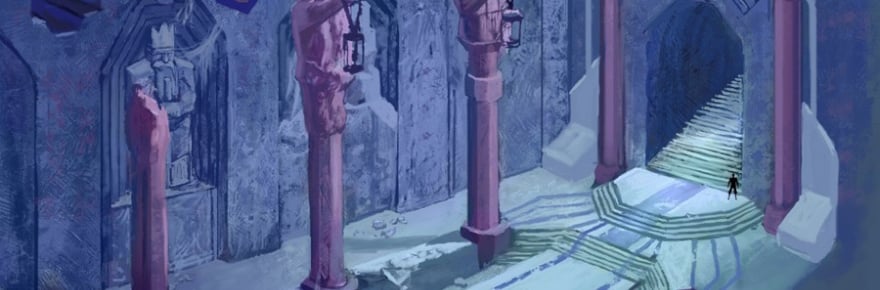
Who’s ready to dig too deep?
Even as players were still working their way up to level 50 and braving the harsher elements of LOTRO’s initial endgame, Turbine’s developers were laying the foundations (of stone) for the game’s first expansion. It was all hands on deck to turn out what was an ambitious project — a major underground region that required the tech team to figure out how to portray caverns rather than skyboxes.
Heading into Moria as the next step made a lot of sense when you think about it. The core of Eriador had been established by then, and players were eager to step beyond it. Moria not only accomplished this but also followed the general path of the Fellowship in the books. It was also a location that carried a lot of name recognition among the public, which was essential to drawing in new players to this virtual Middle-earth.
Considering the timeline of all of the content that was being added for Eriador, I find it astounding that the studio also managed to pull off an expansion this big. The full expansion included the lead-up zone of Eregion, 10 regions inside Moria (well, nine inside and a smaller one on the slopes outside), and then Lothlorien on the far side.
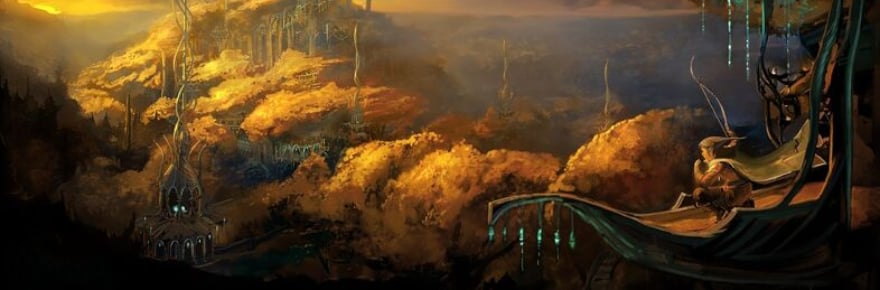
A world of its own
The interior of Moria was its own pocket dimension, separated from the rest of the game world. And that’s kind of a shame because it’s so cool that you can walk almost anywhere else in LOTRO without hitting a loading screen. I’m sure all of the tech behind the structure of this region made it necessary, but still.
Moria gets a lot of hate these days, some of it undeserved. It was a really cool concept that did the whole kingdom justice, taking us on a journey through a variety of underground locales and biomes. I’m still enthralled by how creepy Foundations of Stone is, and Waterworks is one of my most memorable zones. And Volume II was a more focused adventure that took us to some pretty dark places alongside the Dwarves.
But I understand why some people hated — and continue to dislike — Moria. It’s a choke point that has to be navigated if you’re to continue on your journey through Middle-earth. As the devs found, a lot of players have an instinctual dislike of being underground for long periods of time, and the initial run of this expansion kept players trapped there before Lothlorien opened up in February 2009.
The initial version of Moria was darker and more difficult to traverse, too, with limited stable-masters. The devs did a few passes on the whole of Moria in 2012 and 2024, adding more travel options and improving some of the pain points, so it’s a lot more user-friendly than it used to be. I can attest to this personally, as I took a Mariner through the entirety of Moria in 2025, doing every single solo quest and deed in each of the zones. It was a lot of fun, actually!

Runes and javelins
Mines of Moria was a lot more than just a dozen zones, of course. Turbine introduced two brand-new classes to the game: the magic-using Rune-keeper and the combo-focused Warden. Both of these were a departure from the classes that came before, and they proved to be a little controversial at the time. However, there’s been a lot of love for both the Rune-keeper and Warden in years since, so they got their due respect in the end.
Turbine used this expansion to add legendary items with their own progression systems. I’ve always thought that this was a mistake that’s never been fully rectified, as both the old and new LI systems are confusing and grindy. But it’s not something that the studio wants to yank, so we’re stuck with this as a side system.
Another stumbling point was Radiance, an endgame gear stat that served as a gatekeeping mechanism for raids and dungeons. If players didn’t grind out enough Radiance gear to “push back the gloom” (a nasty debuff), they’d be too ineffectual for those instances. It was a hated system that even the devs admitted was a mistake (although SSG tried to bring back a variant of this during Mordor, but more on that another week).
However, I seeMines of Moria as a net positive for the game, especially in its current iteration. It gave us the single largest expansion that we’ve ever had, added two new classes, tried out a ton of interesting environmental effects, delivered a terrific soundtrack, and made our level 50 to 60 journey feel perilous — quite the change from our once-carefree days skipping around the Shire with pies.
How do you feel aboutMines of Moriatoday? What were its high points and low points? Head down to the comments to share your thoughts!
 Every two weeks, the LOTRO Legendarium goes on an adventure (horrid things, those) through the wondrous, terrifying, inspiring, and, well, legendary online world of Middle-earth. Justin has been playing LOTRO since its launch in 2007! If you have a topic for the column, send it to him at justin@massivelyop.com.